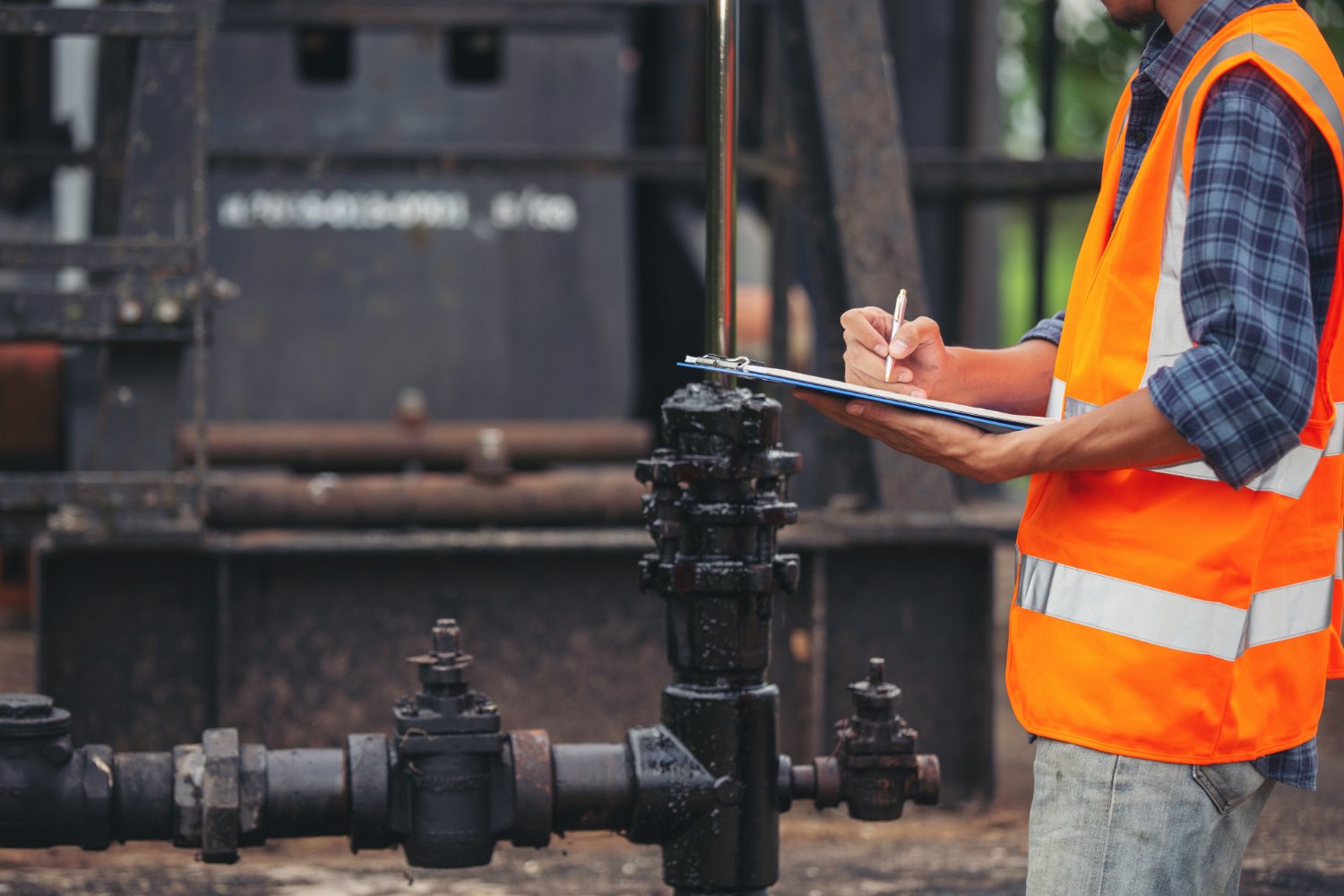
pipeline performance inspection is a critical step in ensuring pipeline reliability, safety, and performance. Regular and thorough inspection helps identify defects, corrosion, and potential failures before they escalate into major issues.
Inspection processes may include visual checks, dimensional verification, non-destructive testing (NDT), pressure testing, and material analysis. These methods confirm that pipes and fittings meet required standards and project specifications.
Proper inspection improves pipeline performance by reducing leaks, minimizing maintenance costs, and extending service life. It also ensures compliance with industry regulations and safety requirements.
In sectors like oil & gas, water distribution, and power generation, inspection is not optional—it is essential for operational continuity and risk management.
By prioritizing inspection at every stage, from fabrication to installation, pipelines deliver consistent performance and long-term reliability.
Early Detection for Long-Term Reliability
Proper inspection enables early identification of weaknesses that could compromise pipeline performance over time. By detecting issues such as micro-cracks, welding defects, or material inconsistencies at an early stage, inspections help prevent unexpected failures and costly shutdowns.
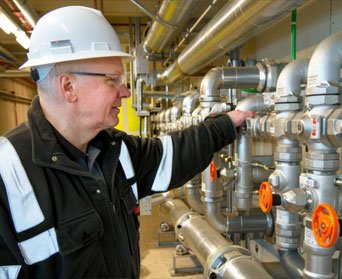
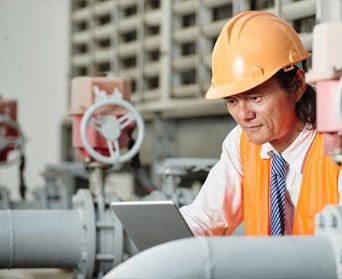
Consistent inspection practices also improve system efficiency, ensuring smooth flow, structural integrity, and dependable operation throughout the pipeline’s lifecycle.